Elothwyn
The Ballad of the Last DragonElothwyn exists in the narrative through Sylvaine Abelan’s memories, but her absence exerts a lasting force. She was Sylvaine’s aunt, known within the family as her ahntan, and the remembered warmth of their childhood play is inseparable from the violence that ended her life. Elothwyn’s murder becomes both a private wound and a concentrated image of the danger faced by elves whose bodies and identity are marked for persecution.
Childhood Bond and the Chase
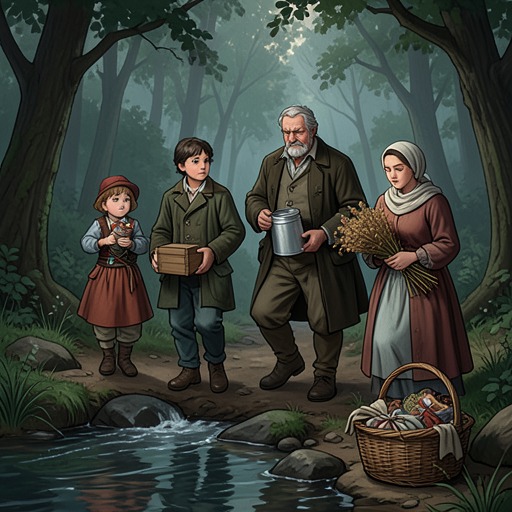
When Sylvaine was nine summers old, Elothwyn braided her hair into a crown and decorated it with bluebells before pulling her from a moss-covered stone. She turned the moment into a game of pursuit, urging the child to run through the forest, cross the river, and keep going. Her repeated encouragement—“Faster, stóirín. Don’t let me catch you.”—survives in Sylvaine’s memory as a phrase of affection first, and a command to survive later. The scene’s tenderness matters because Sylvaine initially understood the chase as play: she ran with unchecked energy, crossed the river, and expected Elothwyn to appear when she turned back to boast of her victory.
Murder and Delayed Knowledge
The child did not immediately understand that anything had happened. Only after returning home did Sylvaine discover the truth through the grief of her parents, who had collapsed into one another, and through Tanniv’s account that his father had found Elothwyn dead. Her ears had been cut off and her entrails left on the forest floor. The delayed revelation transformed an ordinary childhood game into a traumatic pattern: Elothwyn’s final instruction to run became inseparable from the knowledge that the person urging her onward had already been targeted by anti-elf violence.
Memory as a Survival Command
Years later, while fleeing an attacker in a forest, Sylvaine relives Elothwyn’s chase with her body in panic. The memory interrupts her attempt to escape, tightening her throat and draining strength from her limbs even as she forces herself to run faster. During the later assault in the pasture, the same words return while Sylvaine runs across open ground with her ruined lute on her back. Elothwyn’s voice therefore carries a double inheritance: it recalls a beloved relative whose life was stolen, yet it also supplies the rhythm by which Sylvaine continues moving toward safety. The memory does not erase terror; it gives terror a direction.
The Meaning of Elothwyn’s Death
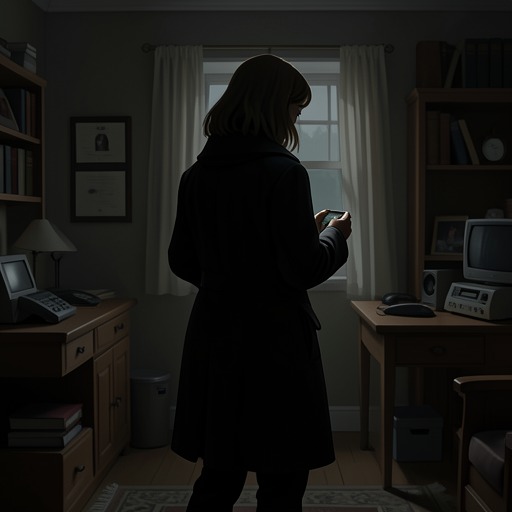
Elothwyn’s fate gives Sylvaine Abelan’s fear of exposure a specific historical and bodily meaning. Sylvaine already knows that her pointed ears can provoke hostility: she hides them beneath a velvet cap while performing because anti-elf prejudice has taken root even in Tarrgein, where ignorance turns elven identity into a supposed threat. The insults she later encounters—being called a “knife-ear,” being told that an elf should be pretty, and being treated as though she were less than human—are not isolated discourtesies in that context. Elothwyn’s severed ears make clear what such contempt can become when prejudice is given power over an elven body. Her murder therefore stands behind Sylvaine’s caution in public spaces, her reluctance to be alone with strange men, and the panic that overwhelms her when an aggressor seizes her. The family memory converts social prejudice from an abstract danger into an inherited warning: concealment may protect Sylvaine temporarily, but it cannot make the world safe.
The Afterlife of a Warning
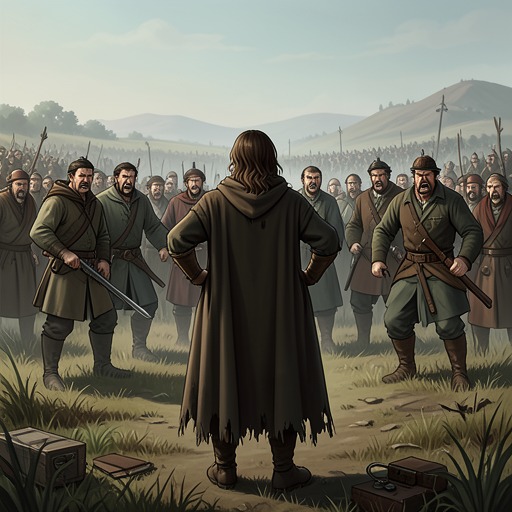
Elothwyn’s presence continues beyond the memory of her death because Sylvaine Abelan repeatedly measures the present against the warning embedded in that childhood chase. When the three men approach her while she is alone in a field, Sylvaine climbs into a tree rather than allow them to discover her, keeps a short sword and Neith’s shepherd’s sling ready, and tries to remain unseen until escape is possible. The precautions are not generalized timidity: they arise from a learned understanding that an isolated elven woman may be judged vulnerable before she has done anything to invite danger. When the attackers reach her, the broken lute, the fallen cap, and the men’s attempt to overpower her turn the symbols of her public identity into debris around her body. Elothwyn’s fate makes that violence legible as part of a wider pattern rather than an unpredictable misfortune, while Sylvaine’s resistance—striking, biting, clawing, and using the blade Neith taught her to turn—shows that inherited fear does not wholly determine her action.
The memory also alters the meaning of movement. Elothwyn once sent a child across the river in a game whose rules seemed temporary and safe; afterward, the same command becomes inseparable from abandonment, death, and the need to reach witnesses before an assailant can close the distance. During Sylvaine’s flight, the recalled words return precisely when panic threatens to immobilize her, forcing the past into the rhythm of the present. This is not a simple transformation of trauma into courage. Sylvaine remains physically overwhelmed, loses control of her breathing, and carries the terror forward, but she also converts Elothwyn’s last remembered instruction into a survival practice: keep moving, seek others, and refuse to let an attacker define the end of the story.
Elothwyn’s Thematic Legacy
Elothwyn’s death also clarifies why Sylvaine Abelan treats belonging as an active responsibility rather than a private comfort. After surviving the pasture assault and the panic that follows it, Sylvaine hears Neith describe the cost of abandoning an inherited path: Neith has been disowned for refusing to become a family transaction, yet continues searching for a life that proves her own worth. Sylvaine recognizes the same unfinished condition in herself. She calls herself a luteless bard with a broken heart and weak arms, but accepts being “good for today” while moving toward a better tomorrow and toward the completion of Aeron Fowler’s tale. Elothwyn cannot be restored, and the childhood world that ended with her murder cannot be recovered; what can continue is the obligation to protect those left exposed by the same hatred. When Sylvaine later considers helping Neith rescue elves from the life Sylvaine herself escaped and wonders whether such work might also lead to news of her da and mama, Elothwyn’s memory expands from a private trauma into a reason to guide displaced people toward safety. Her final remembered command remains a warning, but Sylvaine’s later choice gives it a new ethical direction: survival is not only escape from violence, but the creation of a path by which others may cross into a safer life.